Helpful Tips to Water Main Repair
Essential Main Water Line Solutions:Ensure Safe and Dependable Water Delivery for Your Home
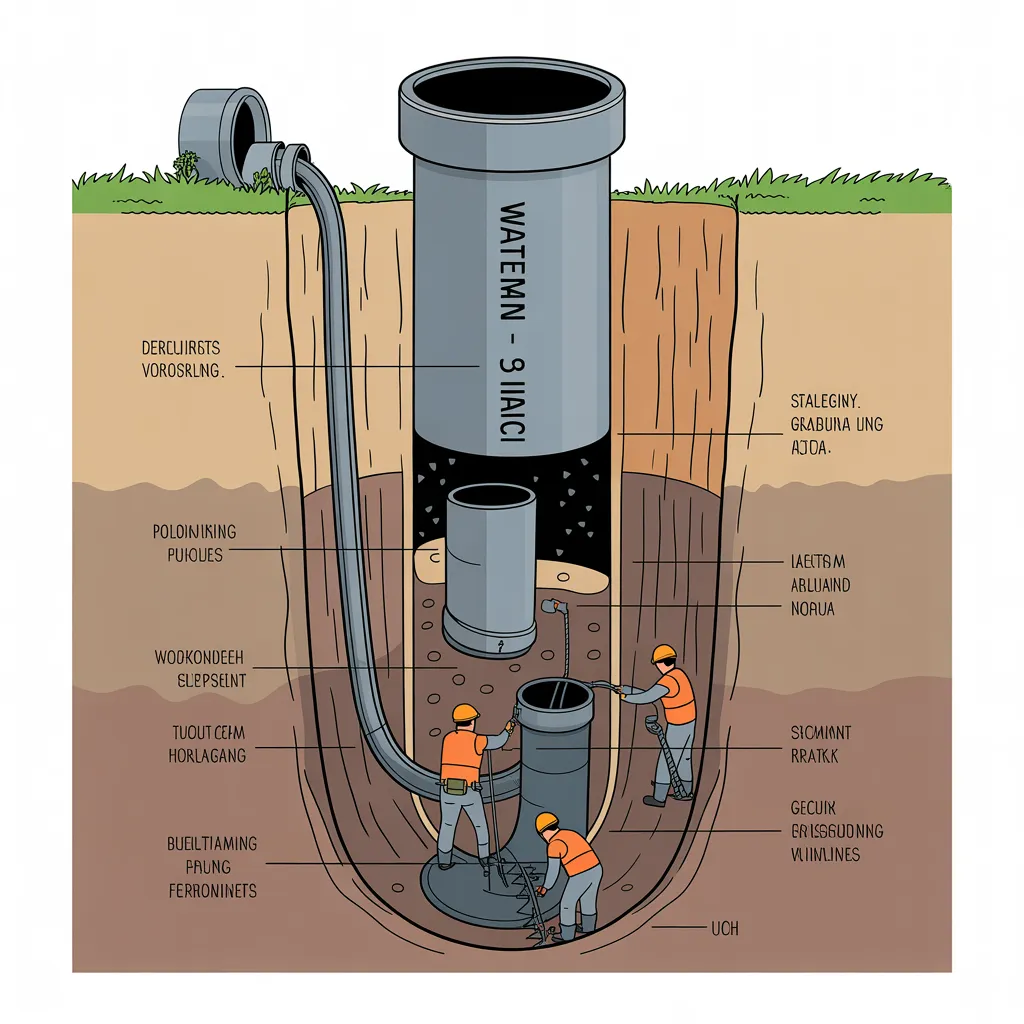
Main water line services play an essential role in maintaining a safe and reliable water supply in homes. Regular inspections can uncover hidden vulnerabilities that might lead to critical issues if left unchecked. Homeowners often ignore these key services, risking pricey repairs down the line. Understanding the importance of timely maintenance can make a marked difference in preserving plumbing integrity. What steps should one take to confirm their water line remains in peak condition?
Why Periodic Assessments Are Vital for Your Water Line
Standard surveys act as an essential defense for water lines, keeping minor troubles from escalating into major crises. These inspections facilitate the discovery of deficiencies that could jeopardize the durability of the water supply system. By reviewing key components, such as joints, valves, and pipes, professionals can recognize signs of damage and potential leaks early on.
Routine assessments also ensure compliance with local rules and guidelines, protecting homeowners from liabilities associated with water quality and safety. Additionally, they provide an chance for upkeep, guaranteeing that the system operates efficiently and reducing the threat of costly urgent maintenance.
Homeowners who make routine inspections benefit from peace of mind, knowing that their water supply remains secure and dependable. Ultimately, these proactive measures aid in the longevity of the water line and boost the overall performance of the home's plumbing system, making them an essential part of home maintenance.
Typical Signs of Main Water Line Problems to Keep an Eye On
When homeowners notice sudden fluctuations in water pressure or unexpected puddles in their yard, it may suggest underlying issues with the main water line. Other typical signs include cloudy water, which can indicate rust or sediment build-up, and unusual sounds such as gurgling or hissing from pipes, implying leaks or air trapped in the system. Furthermore, ongoing dampness in the basement or foundation may indicate a hidden leak, compromising structural integrity. Higher water bills without a change in use can also indicate a water line issue, as unseen leaks waste resources. Homeowners should stay alert for these indicators, as early detection is crucial for maintaining a reliable water supply. Promptly addressing these signs can help avoid major damage and expensive repairs. Understanding these indicators enables homeowners to take proactive steps in caring for their main water line health.
Why Quick Fixes Avert Major Water Line Complications
Timely repairs of main water line issues can result in substantial advantages for homeowners. Early detection often prevents minor problems from escalating into costly repairs. By tackling issues promptly, individuals can protect their properties and ensure a reliable water supply.
Early Detection Benefits
Proactive monitoring of water lines can considerably reduce the probability of extensive damage and costly repairs. Early detection of leaks or corrosion allows homeowners to resolve issues before they escalate, maintaining the integrity of the plumbing system. Small leaks, if left unchecked, can lead to structural damage, mold growth, and increased water bills. Regular inspections and maintenance help identify potential problems, enabling timely interventions that safeguard the home and its occupants. Additionally, recognizing subtle signs of wear can prevent emergencies that disrupt daily life. By investing in early detection measures, homeowners not only protect their property but also enhance their peace of mind, ensuring a reliable water supply for years to come.
Cost-Effective Options
Managing small issues in water lines promptly can bring about great cost savings for homeowners. Ignoring minor leaks or corrosion can escalate into serious problems, leading to extensive repairs and increased water bills. Prompt action usually includes simple repairs like sealing leaks or swapping out worn fittings, which cost relatively little. In contrast, delayed repairs may necessitate complete line replacements or extensive excavation, imposing a heavy financial burden. Moreover, proactive upkeep and routine inspections can extend the life of water lines, lowering the chance of expensive emergency repairs. By prioritizing timely repairs, homeowners not only safeguard their finances but also guarantee a consistent and reliable water supply, ultimately enhancing the overall value of their property.
Responding to a Water Line Breakdown
When a water line emergency develops, timely response is necessary to mitigate harm and deliver security. The primary action is to locate the main shut-off valve and turn it closed to restrict surplus water discharge. Later, the zone should be assessed for visible deterioration or impairment. If water sits, it's vital to maintain an unobstructed area to evade falling incidents.
After obtaining the water supply, the homeowner should contact a professional water line service provider for restoration. Documenting the damage with photos can be helpful for insurance claims. If the emergency poses any risk to safety or health, such as electrical hazards, leaving the area is advised.
To conclude, it's important to communicate any impacted residents, especially in multi-unit buildings, to make sure they are aware of the situation. Immediate action can substantially reduce the impact of the emergency and facilitate a quick resolution.
Guide to Picking a Reliable Water Line Service Expert
Determining a trustworthy water line business requires thoughtful consideration of numerous vital aspects. It is necessary to verify the certification and insurance of prospective providers, as well as judge their experience and expertise in the field. Also, assessing the offerings they present can help confirm that the chosen provider meets specific needs effectively.
Confirm Authorization and Insurance
In what ways can property owners ensure they are choosing a reliable water line service provider? One key step is to verify that the provider holds the required licenses and insurance. Having a valid license certifies that the contractor complies with local regulations and industry standards, showcasing their professionalism and expertise. Homeowners should ask for copies of these documents and verify their authenticity with the relevant authorities. Moreover, insurance protects homeowners from possible liabilities, such as property damage or injuries that might happen during the work. A reputable provider will willingly provide evidence of both licensing and insurance, showing transparency and responsibility. By validating these credentials, homeowners can greatly reduce the risks linked to hiring an unqualified service provider.
Evaluate Experience and Expertise
Examining the skills and background of a water line contractor is vital for homeowners pursuing trustworthy help. A provider with a solid track record in the field typically demonstrates a wealth of knowledge and ability that can substantially affect the standard of service. Homeowners ought to ask about the years the company has been operating and the variety of jobs undertaken. Moreover, studying customer feedback and portfolios can reveal the provider's problem-solving and reliability abilities. Certifications and specialized training are also evidence of a provider's commitment to maintaining excellence. By carefully examining these factors, homeowners can make well-informed choices and select a service provider that addresses their unique requirements.
Compare Service Choices Available
What important points should homeowners focus on when evaluating service options for water line repair and installation? First, it is important to assess the scope of services offered by each company, including immediate repair services, periodic maintenance, and installation options. It is important that homeowners review customer feedback and ratings to evaluate reliability and quality of service. Also, reviewing pricing structures is vital; obtaining detailed estimates can avoid unexpected charges. It is also essential to verify if the provider offers promises or assurances on their work, which reflects confidence in their services. Finally, considering the availability of modern technology and equipment can further improve service efficiency and effectiveness. Considering these factors allows homeowners to make wise decisions regarding their water line service providers.
Water Line Repair Expenses Explained
Figuring out the expenses related to water line maintenance can often leave homeowners feeling perplexed. Multiple elements influence these expenses, such as the degree of damage, the type of repair required, and local labor rates. Small fixes, like fixing small leaks, may range from $150 to $500. However, more substantial problems, like replacing a section of the line, can escalate costs to between $1,000 and $3,000 or more.
The materials used also play a critical role; copper and PVC pipes have distinct pricing structures. Additionally, surprise complications, such as soil conditions or accessibility, may further increase costs. Homeowners should consider obtaining multiple quotes from licensed plumbers to secure competitive pricing and reliable service. Understanding these elements valuable guide can help homeowners budget appropriately and make informed decisions when faced with necessary repairs to their water lines.
Preventative Maintenance Guidelines for Your Primary Water Line
Keeping the main water line in good condition is crucial for preventing expensive fixes and guaranteeing a continuous supply of water. Homeowners should regularly check their water lines for indications of leaks, such as damp spots or higher than normal water bills. It's recommended to regularly cleanse the system to eliminate sediment buildup, which can compromise water quality. Additionally, tracking water pressure is important; excessively high pressure can strain the pipes and lead to ruptures.
Seasonal variables also play a role; in colder months, protecting exposed pipes can avert freezing and subsequent bursts. Homeowners should also be mindful of tree roots, which can infiltrate and damage underground lines. Finally, scheduling routine professional inspections can identify potential issues before they escalate. By adhering to these preventive maintenance tips, homeowners can safeguard their main water line, ensuring both reliability and longevity.
Frequently Asked Questions
What is the Timeframe of a Common Main Water Line Installation Procedure?
The average main water line construction commonly takes 1-3 days, depending on the complexity of the project, the terrain conditions, and any essential authorizations or inspections needed by local regulations.
What Materials Are Usually Used for Main Water Lines?
Standard options for water distribution lines feature PVC, copper, and PEX. Each kind presents distinctive advantages such as resistance to rust, flexibility, and durability, making them fitting for multiple environmental scenarios and installation criteria.
Will Tree Roots Harm My Main Water Line?
Yes, tree roots can harm main water lines. As roots seek moisture, they may breach the pipes, generating cracks or blockages, which can lead to leaks and expensive repairs if not addressed promptly.
What Can I Do if I Perceive Gas Around My Water Pipe?
If gas is identified near the water line, one should rapidly exit the area, steer clear of electrical devices, and notify emergency services or the gas company. Ensuring safety is paramount in such situations.
Where Can I Discover My Main Water Line on My Property?
To locate the main water line, one should check property records, identify the water meter, trace the pipe route, or consult a professional plumber for accurate identification and assistance.